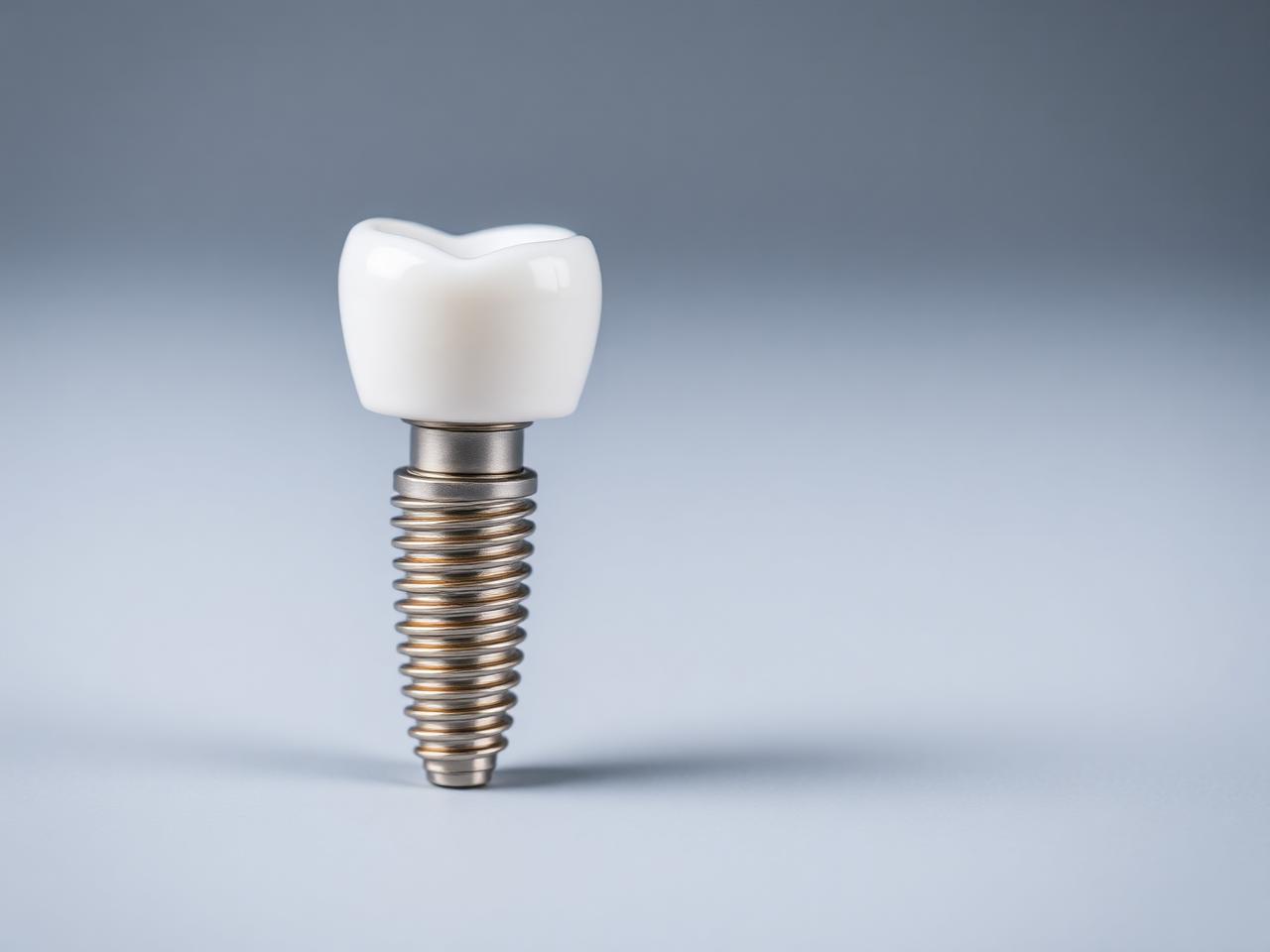
Implants
How a dental implant works
A titanium post fuses to the jawbone and supports a custom ceramic crown — a three-part system designed to last decades.
An educational guide to today's implants, orthodontics, and preventive dentistry, how the technology works, what to expect, and why digital workflows are changing outcomes.
What this resource covers
Each topic is explained the way a clinician would walk you through it in person — with the tools, terminology, and trade-offs laid out.
How 3D cone-beam scans and intra-oral scanners replace guesswork with measurable data.
Why written, line-itemized plans matter — and what insurance and financing typically cover.
How digital labs make crowns, aligner consults, and emergency care possible in a single visit.

Inside a modern operatory
A modern operatory is part workshop, part imaging lab. Intra-oral scanners replace gooey impression trays. Chairside monitors render your anatomy in three dimensions during the visit. Sterilization and material handling follow protocols closer to surgical suites than the dental offices of a generation ago.
Consult → Plan → Treat
From the first scan to the final follow-up, every step is built around clear information and informed decisions — not pressure.
Read the full guideWhat clinicians look for in a first visit and how to prepare your medical history.
How 3D scans translate into a written treatment plan with options and timelines.
Procedure-day protocols, recovery norms, and what proactive follow-up should include.
Patients today often weigh modern integrated practices against chain offices, boutique specialists, or even at-home alternatives. Here's how the trade-offs typically line up.
| Speed | Custom Plan | Affordable | |
|---|---|---|---|
| Modern integrated practice | |||
| Generic dental chains | — | ||
| Boutique specialists | — | — | |
| At-home DIY kits | — | — |
Topic explainers
Quick primers on the procedures patients ask about most.
Implants
A titanium post fuses to the jawbone and supports a custom ceramic crown — a three-part system designed to last decades.
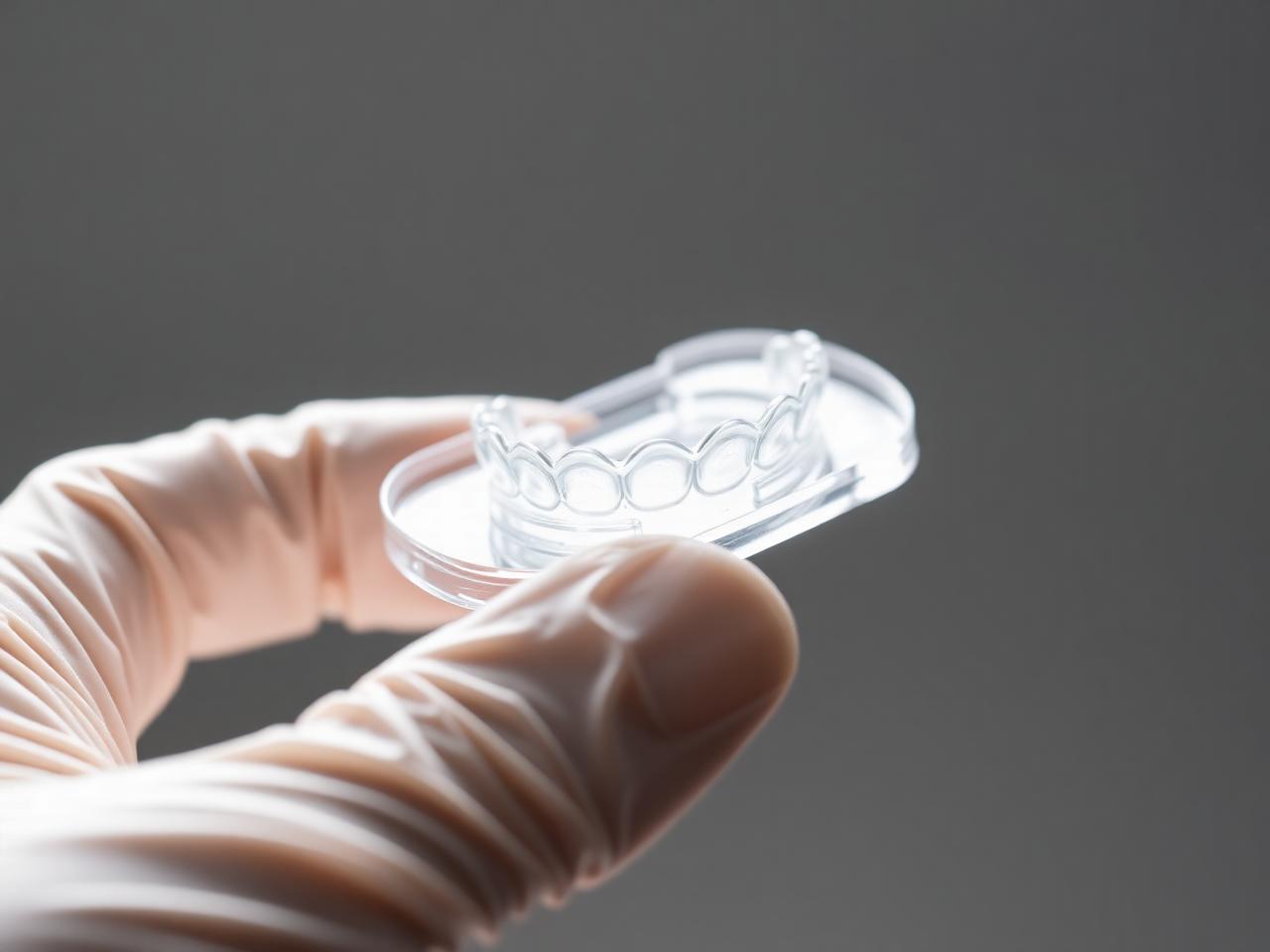
Orthodontics
Modern aligners use a series of custom trays generated from your 3D scan to gradually reposition teeth.
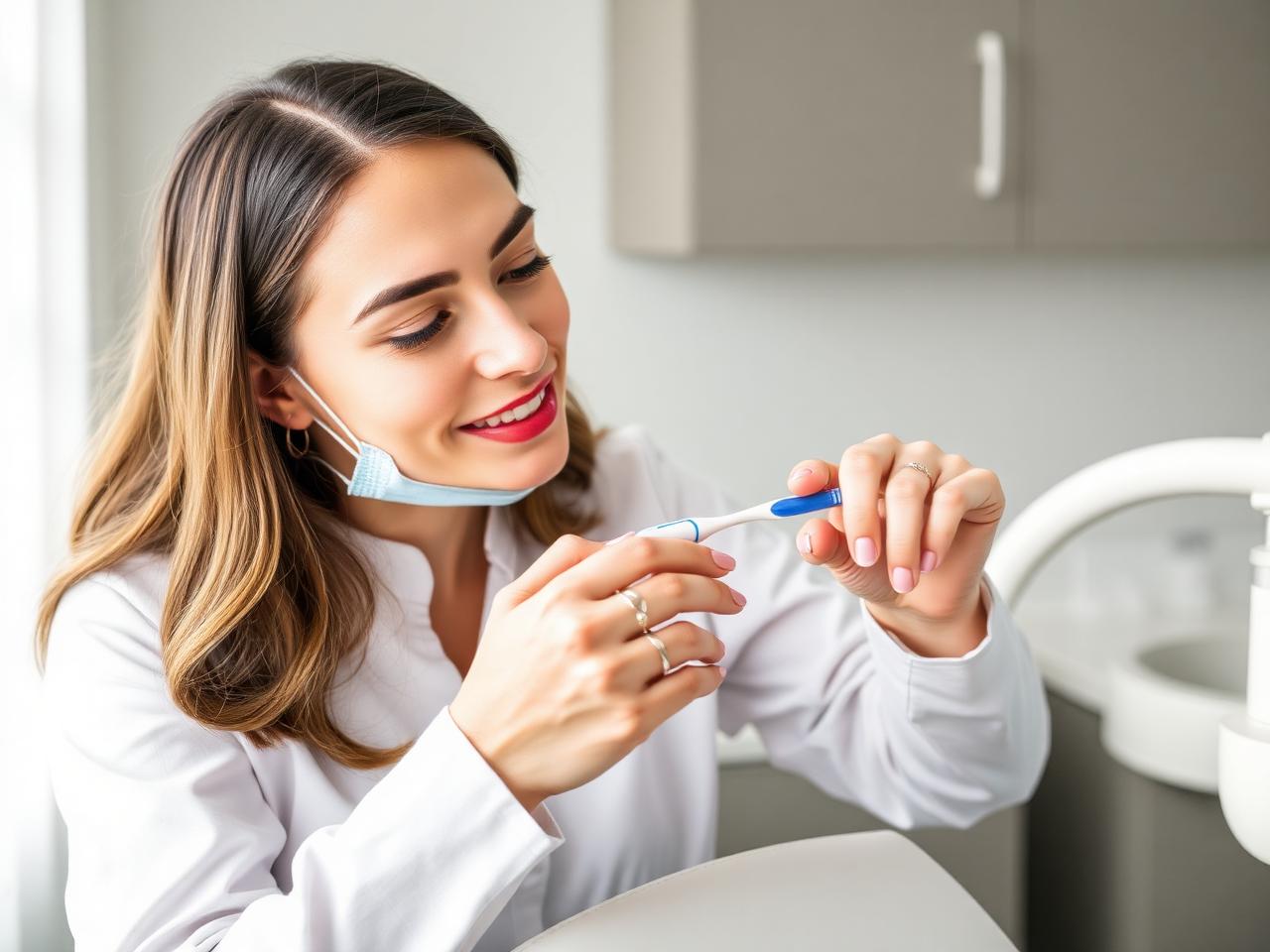
Prevention
Risk-based recall, technique coaching, and at-home routines tailored to your enamel and gum profile.
Anatomy 101
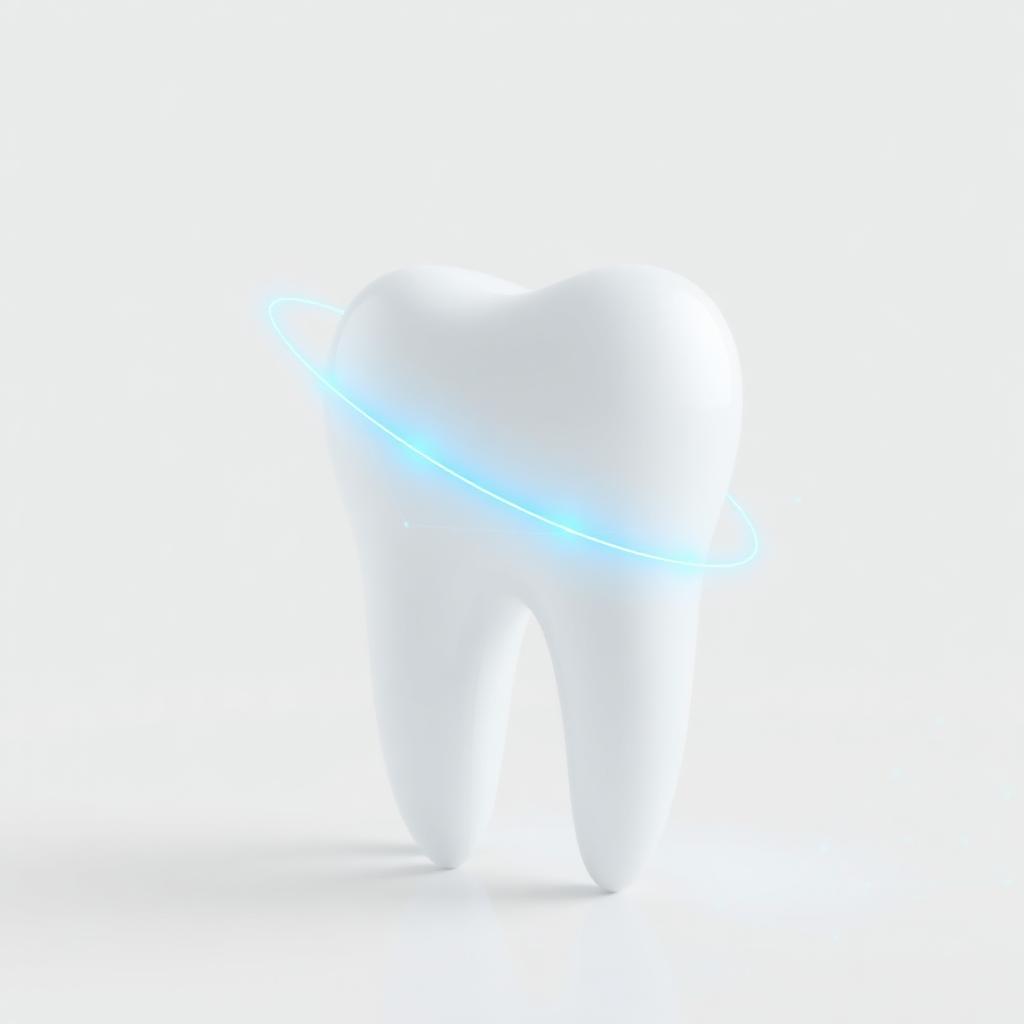
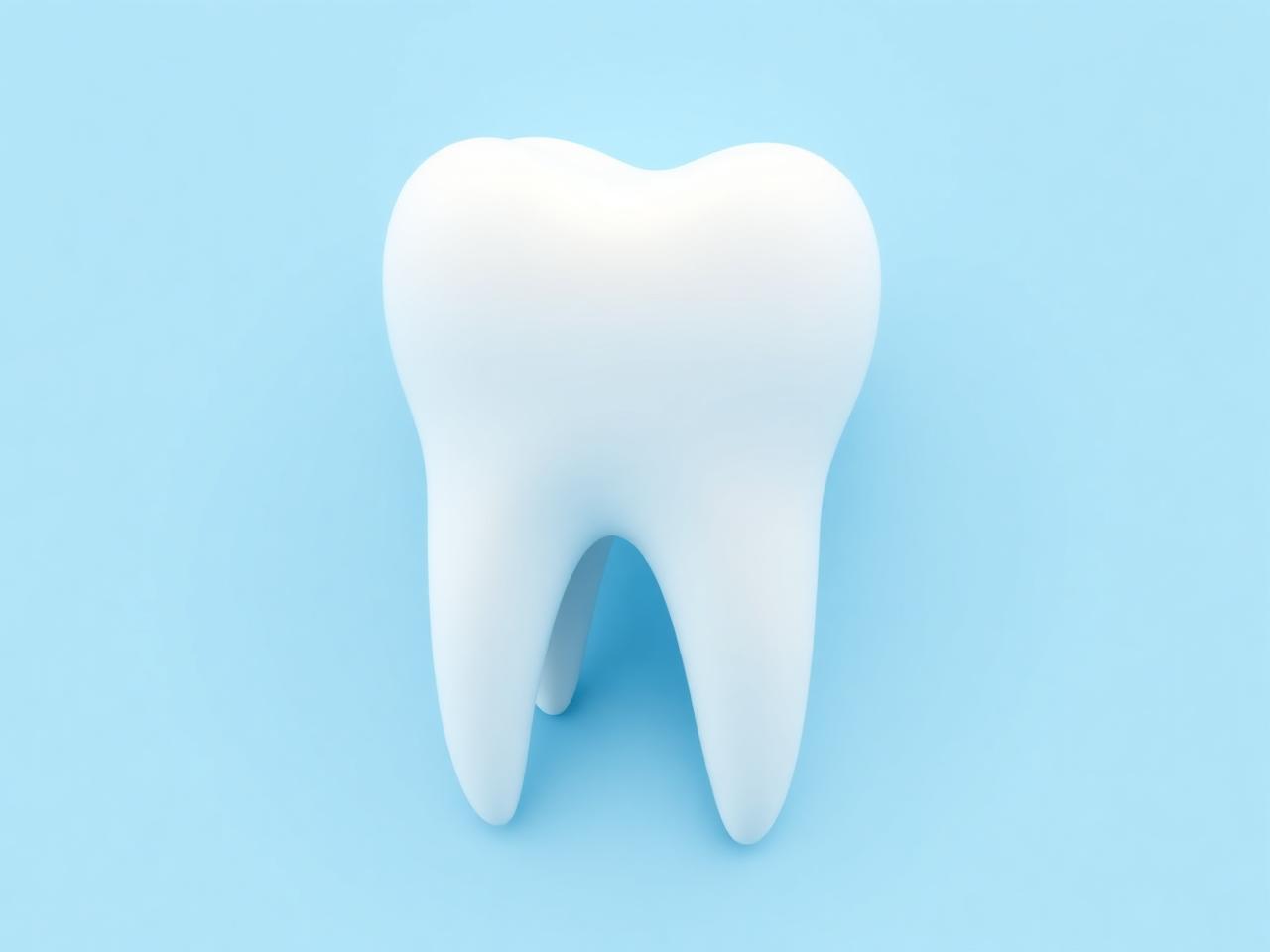
Every restorative choice — filling, crown, root canal, or implant — depends on which layer of the tooth is affected. Understanding the basics helps patients evaluate options with clarity.
The outer mineral shell — once lost, the body can't regrow it.
The softer layer that transmits sensation; protected by enamel.
Nerves and blood vessels at the center; addressed in root canal therapy.
Anchors the tooth — and the foundation any implant must integrate with.
Reach out for a no-obligation consult. We'll walk you through the same plain-language explanations you'll find here — applied to your specific situation.
Request a consult